
Solar Panel Articles
by R&B Mechanical & Electrical
How are solar panel ground arrays constructed in the UK?
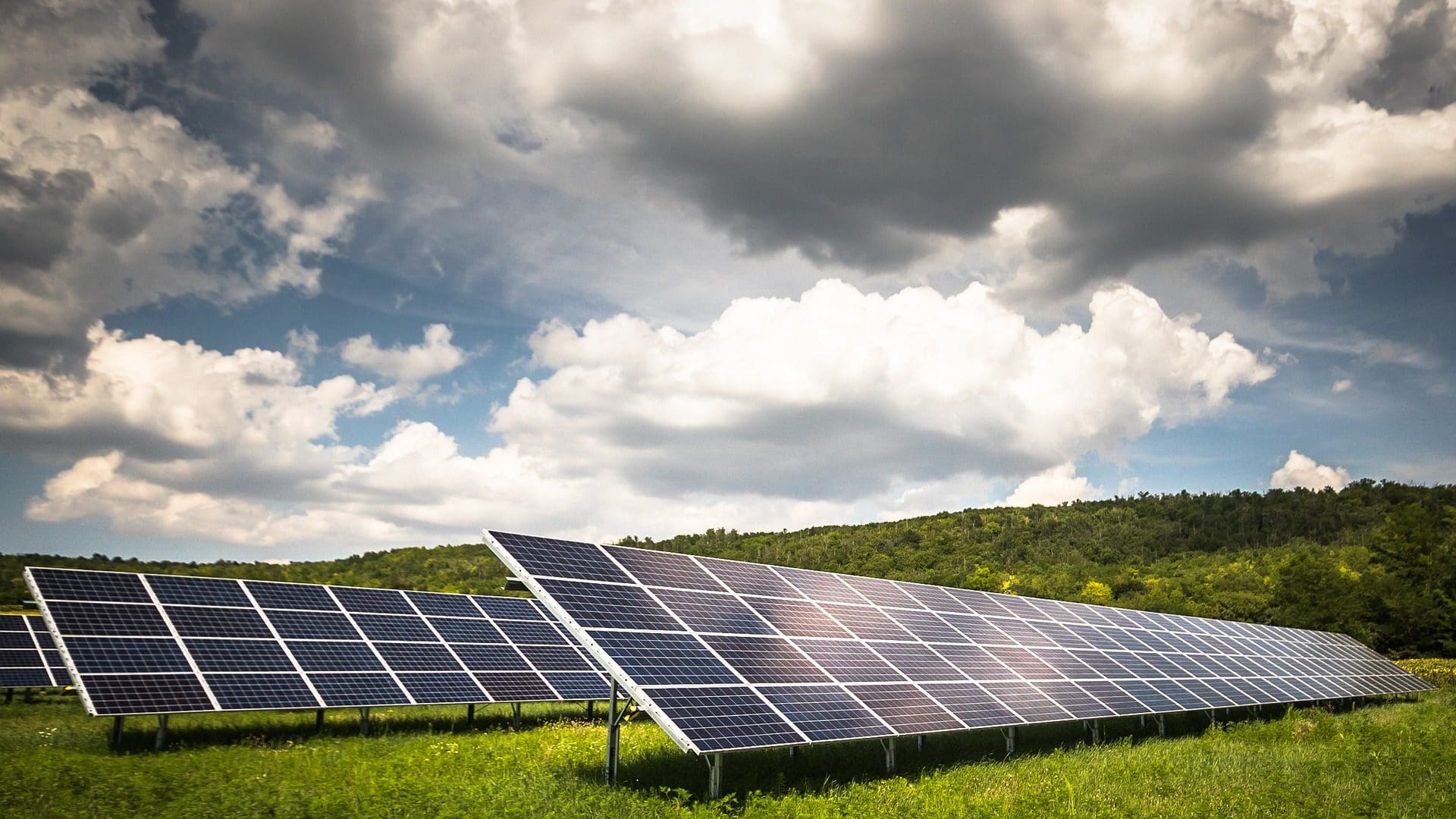
A ground array solar panel system is a power generation setup where solar panels are mounted on the ground rather than on a building’s roof. These systems are popular in the UK for commercial and large-scale projects but are also an option for domestic properties with sufficient land.
Ground-mounted systems offer significant advantages, including optimal positioning for maximum sunlight and greater ease of maintenance. However, they are generally more expensive to install than roof-mounted systems due to the additional structural requirements and groundworks.
The Installation Process: From Groundwork to Commissioning
The construction and commissioning of a ground array solar panel system in the UK is a multi-stage process that requires careful planning and execution.
Structural Installation and Mounting
The first step is preparing the ground and installing the support structure. The most common structural installation techniques involve creating a mounting frame to hold the panels. These frames are typically made from galvanised steel or aluminium, chosen for their durability and resistance to the UK’s weather.
The foundation for the frames can be secured in several ways:
- Driven Piles: Metal posts are hammered or “driven” directly into the ground. This is the most common and efficient method for most ground conditions.
- Ground Screws: Large, screw-like foundations are drilled into the soil. This is ideal for softer ground, such as areas with high clay content, as it provides a strong anchor without extensive digging.
- Ballasted Systems: Concrete blocks or other heavy materials are used to weigh down the frames. This method is preferred when ground penetration is not possible, for example, on a former landfill site or where there are archaeological concerns.
Once the foundations are secure, the mounting frames are assembled and fixed to them. The solar panels are then attached to these frames using clamps.
Panel Orientation and Angle
A key advantage of a ground array system is the ability to choose the perfect orientation and tilt angle for maximum energy generation.
- Orientation: In the UK, the ideal orientation is south facing, as this receives the most direct sunlight throughout the day. Ground arrays allow for precise alignment, unlike roof-mounted systems that are fixed to the building’s existing orientation.
- Angle: The optimal tilt angle for solar panels in the UK is typically between 30 and 40 degrees from the horizontal. This angle is a compromise between capturing sunlight during the high-in-the-sky summer sun and the lower winter sun. Many mounting systems offer adjustable brackets to fine-tune the angle.
In some commercial installations, solar tracking systems may be used. These systems use motors to automatically adjust the panel’s angle throughout the day to follow the sun’s path. While this can increase energy yield by up to 25%, it adds significant cost and maintenance complexity.
Types of Ground Array Systems in the UK
The best system for a particular location depends on several factors, including the terrain, available space, and budget.
- Fixed-Tilt Racking Systems: These are the most common and cost-effective. They use a static frame that holds the panels at a pre-determined angle. They are suitable for most urban and rural locations with relatively even ground.
- Pole-Mounted Systems: Panels are elevated on a single pole, which can be useful on uneven ground or in areas where snow accumulation is a concern. They can also support tracking systems.
- Ballasted Systems: As mentioned, these are a non-intrusive option for sites where ground penetration is not desirable. They are also used on flat roofs.
Altitude and Region: Higher altitudes may experience higher wind loads and more snow, requiring a more robust and securely anchored mounting system. In regions prone to high winds, such as coastal areas, driven piles or ground screws are often the most secure option.
Are the Panels the Same?
Yes, the solar panels used in ground array systems are generally the same photovoltaic (PV) modules used for roof-mounted installations. The key difference isn’t in the panels themselves, but in the mounting structure that supports them. Ground-mounted systems require a dedicated frame and foundation, whereas roof-mounted systems use a lighter racking system that attaches to the building’s rafters.
Wiring and Electrical Connections
The wiring of a ground array system is a critical part of the installation process. The wiring connects the panels to the inverter and, if included, the battery storage.
The process generally follows these steps:
- Panel-to-Panel Wiring: Solar panels are wired together in strings. Panels are connected in a series configuration (positive to negative) to increase the overall voltage. This is a common setup for most grid-tied systems.
- String-to-Inverter Connection: The strings of panels are then connected to the inverter. The inverter is a crucial component that converts the direct current (DC) electricity generated by the panels into alternating current (AC) electricity, which is what your home or business uses. For ground arrays, the inverter is often located in an external cabinet or a nearby shed to minimise cable length.
- Inverter-to-Grid/Battery Connection: From the inverter, the AC power is fed into the property’s main electrical distribution board (consumer unit) for use. In a system with a solar battery storage, the DC electricity from the panels goes through a hybrid inverter to charge the battery before being converted to AC for consumption. The battery stores excess energy for use during the night or on cloudy days, improving energy independence.
Dedicated armoured cables are buried in a trench from the ground array to the property to protect the wiring from damage and ensure electrical safety. The entire system is then fully tested and commissioned to ensure it operates safely and efficiently before being handed over to the client.

Our Services
Commercial Solar Panels
We have designed and installed high yield commercial solar panel systems for many clients. We can provide all design and payback calculations and ongoing maintenance.
Agricultural Solar Panels
We have many years experience designing and installing agricultural solar panel systems for farm businesses and saving them huge costs on electrical energy.
Residential Solar Panels
Our design and solar panel installation engineers have over a decade of experience installing and maintaining solar PV systems for residential customers across the UK
Electrical Contractors
We are NICEIC registered electrical contractors and members of the Electrical Contractors Association for all industrial, commercial and residential electrical services including testing, inspection and compliance services.
Mechanical Services
We offer M&E design, calculation, estimation and full fit-out, installation and maintenance services to commercial clients. We also provide contract maintenance and building compliance and testing services
Solar Renewables
We are MCS and RECC registered solar panel installers for all commercial and residential solar panel installations including ground arrays and roof mounted PV systems and battery storage configurations.
EV Home Chargers
We fit all makes, models and types of EV Chargers for residential customers. We are Office for Zero Emission Vehicles (OZEV) authorised installers.
EV Workplace Chargers
We can undertake all required aspects of commercial EV charging point installation, from initial design and consultation to servicing and on-going maintenance.
Gas Boiler Engineers
We are Gas Safe Registered and undertake boiler installation, servicing and all gas safety checks for landlords and residential customers.
Solar Panel Installer
Photovoltaic Systems generate no greenhouse gases, a typical domestic system can save approximately 1.2 tonnes of carbon dioxide emissions per year – adding up to almost 30 tonnes over a system’s lifetime.
Our design and solar panel installation engineers have many years experience installing solar PV systems for industrial and commercial clients.
Contact Us
Solar Panel Enquiry
Address
Keighley, West Yorkshire
BD21 4PF
UK
What3Words
What3Words:///clocks.decide.pokers
Phone
Keighley: 01535 687010 Skipton: 01756 793039