
Solar Panel Articles
by R&B Mechanical & Electrical
What Are the Tax Breaks in The UK on Commercial Solar?
A Comprehensive Guide for Businesses
Investing in commercial solar panel installations in the UK is not just a strategic move towards sustainability and energy independence; it’s also a financially savvy decision, thanks to a range of government tax breaks and incentives. These measures are designed to encourage businesses to embrace renewable energy, contributing to the UK’s net-zero targets while offering significant financial benefits. This guide will delve into the key tax saving considerations for businesses contemplating an investment in commercial solar panel systems and battery storage.
The Core of UK Tax Relief: Capital Allowances
Capital allowances are the primary mechanism through which businesses can reduce their taxable profits by deducting the cost of qualifying assets, such as solar panels and associated equipment. For every pound invested in eligible assets, businesses can effectively reduce their Corporation Tax bill.
Annual Investment Allowance (AIA)
The Annual Investment Allowance (AIA) is a hugely significant tax relief for businesses investing in commercial solar. It allows businesses to deduct 100% of the cost of qualifying plant and machinery, including solar panel systems and often integrated battery storage, from their taxable profits in the year of purchase.
- Current Limit: The AIA currently has a generous annual limit of £1 million. This means that for most small to medium-sized businesses, the entire upfront cost of a commercial solar installation can be offset against taxable profits in the first year.
- Example: If a business invests £200,000 in a solar PV system and has not exceeded its AIA limit, it can deduct the full £200,000 from its taxable profits. At the current Corporation Tax rate of 25%, this could result in a tax saving of £50,000 (£200,000 x 25%).
- Key Advantage: The AIA provides immediate and substantial tax relief, significantly shortening the payback period for your solar investment and improving its overall return on investment (ROI).
Full Expensing (FE)
Introduced in April 2023 and currently available until March 2026 (though there is a strong possibility of it being made permanent), Full Expensing is another powerful capital allowance. While the AIA is available to most businesses, Full Expensing is specifically for companies subject to Corporation Tax.
- For Main Rate Assets: Companies can claim a 100% first-year allowance on qualifying new “main rate” plant and machinery. While solar panels generally fall under “special rate” assets (see below), some integral components might qualify here.
- For Special Rate Assets (including Solar Panels): For assets that fall into the “special rate” pool, such as solar panels, Full Expensing allows companies to claim a 50% first-year allowance (FYA). The remaining 50% of the cost can then be written down at a rate of 6% per year in subsequent years.
- When to Use FE: Full Expensing becomes particularly relevant if a business’s qualifying capital expenditure exceeds the £1 million AIA limit, or if for some reason they cannot fully utilise the AIA.
Understanding “Plant and Machinery” and Battery Storage
Solar PV systems are generally classified as “plant and machinery” for capital allowance purposes. This typically includes the solar panels themselves, mounting equipment, inverters, and associated electrical infrastructure.
Battery storage systems integrated with a solar installation are generally also considered “plant and machinery” and therefore qualify for the same capital allowances (AIA or FYA under Full Expensing). Investing in battery storage further enhances the financial viability of solar, allowing businesses to store excess generated electricity for use during periods of low solar production or high demand, reducing reliance on grid electricity and maximising self-consumption.
The Super-Deduction (Historical Note)
It’s important to note that the “Super-Deduction,” which offered a 130% first-year allowance for qualifying plant and machinery, ended on 31 March 2023. While it was a significant incentive at the time, businesses today will primarily rely on the AIA and Full Expensing for their capital allowance claims. However, some businesses may still be able to claim for expenditure incurred before this date, subject to specific rules.
Other Tax Saving Considerations
Beyond capital allowances, several other factors can contribute to the financial attractiveness of commercial solar installations:
Smart Export Guarantee (SEG)
While not a direct tax break, the Smart Export Guarantee (SEG) is a government-backed scheme that allows businesses to sell any excess electricity generated by their solar panels back to the National Grid.
- Revenue Stream: This creates an additional revenue stream, further enhancing the ROI of your solar investment. Energy suppliers are obligated to offer tariffs for exported electricity, and it’s worth shopping around to find the best rates.
- Offsetting Costs: The income generated from SEG can help offset the initial investment costs and ongoing operational expenses of the solar system.
Reduced Energy Bills
The most immediate and tangible financial benefit of installing commercial solar panels is the significant reduction in energy bills. By generating your own electricity, your business becomes less reliant on expensive grid power, protecting itself from volatile energy prices.
- Direct Savings: This direct saving on operational costs directly translates to increased profitability and improved cash flow.
- Maximising Self-Consumption: Businesses can maximise these savings by aligning their energy usage with solar generation periods. For example, running energy-intensive machinery during peak daylight hours.
Climate Change Levy (CCL) Exemption
The Climate Change Levy (CCL) is an environmental tax on energy consumed by businesses. By investing in solar panels and reducing reliance on traditional energy sources, businesses can lower their CCL charges, leading to further operational cost reductions.
Potential for Business Rates Relief
In certain circumstances, businesses may qualify for partial or full relief on business rates when solar panels are installed. This often applies where properties are used solely for renewable energy generation, or where the solar installation is considered ancillary to the main business activity. Eligibility can vary based on location, business size, and usage patterns, so it’s advisable to consult with your local council or a property tax advisor.
VAT Treatment
While standard VAT (currently 20%) typically applies to commercial solar installations, there can be exceptions or reduced rates in specific circumstances. For instance, installations on buildings used for charitable purposes or mixed-use premises (partially residential) might qualify for different VAT treatment. Consulting a tax advisor is crucial to navigate these complexities and identify any potential VAT advantages.
Conclusion: A Bright Future for Businesses Going Solar
The UK government’s commitment to renewable energy, manifested through attractive tax breaks like the Annual Investment Allowance and Full Expensing, makes investing in commercial solar panel installations a compelling proposition for businesses across the country. Beyond the significant environmental benefits and reduced carbon footprint, these financial incentives provide a clear path to lower operational costs, increased profitability, and a stronger, more sustainable business model.
By understanding and strategically leveraging these tax breaks, alongside the ongoing savings from reduced energy bills and potential revenue from the Smart Export Guarantee, businesses can unlock substantial financial advantages and accelerate their transition to a greener, more resilient future. It is highly recommended to consult with a qualified tax advisor or financial professional to ensure your business maximises these opportunities and tailors its investment strategy to its specific circumstances.

Our Services
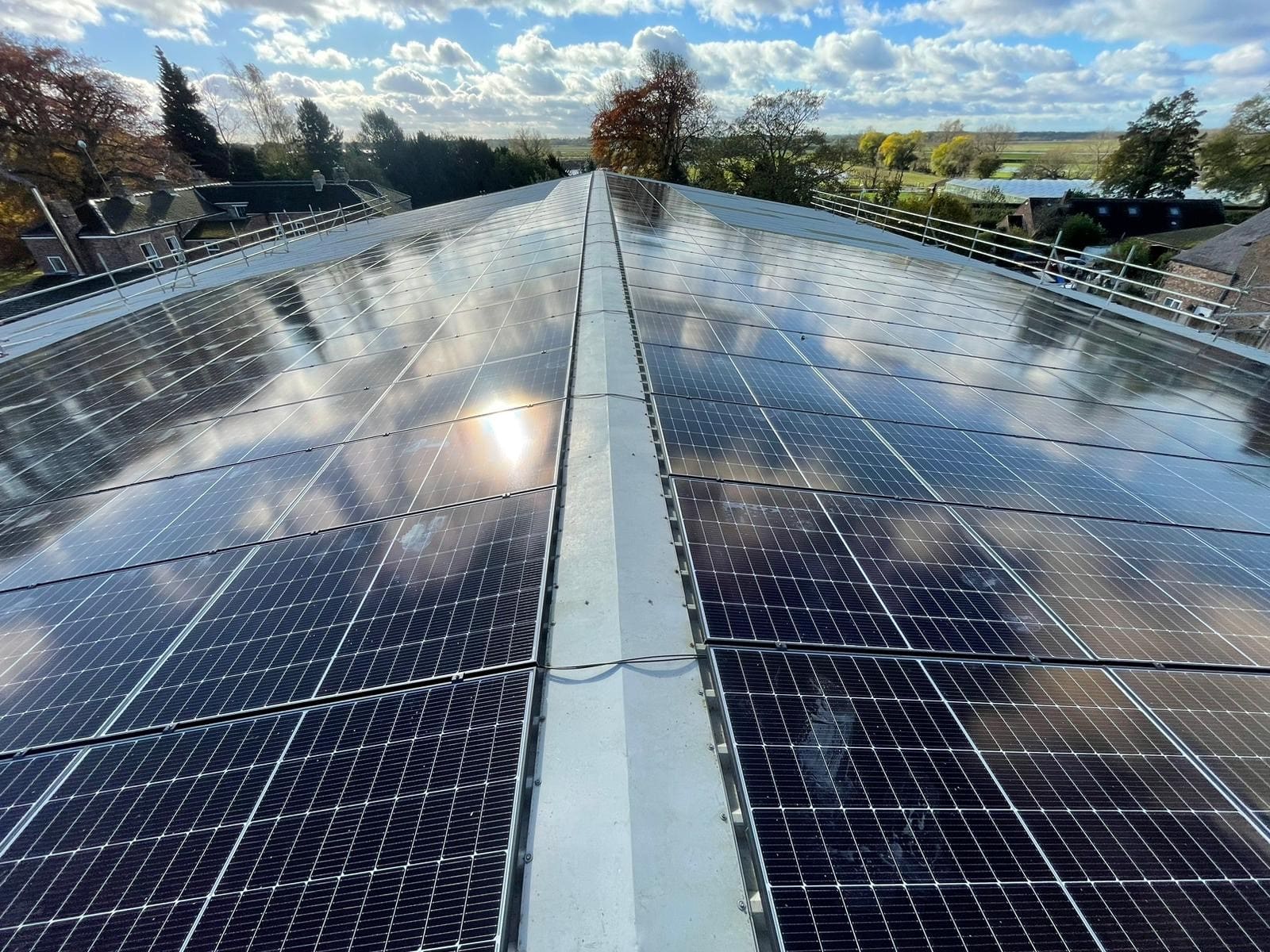
Commercial Solar Panels
We have designed and installed high yield commercial solar panel systems for many clients. We can provide all design and payback calculations and ongoing maintenance.
Agricultural Solar Panels
We have many years experience designing and installing agricultural solar panel systems for farm businesses and saving them huge costs on electrical energy.
Residential Solar Panels
Our design and solar panel installation engineers have over a decade of experience installing and maintaining solar PV systems for residential customers across the UK
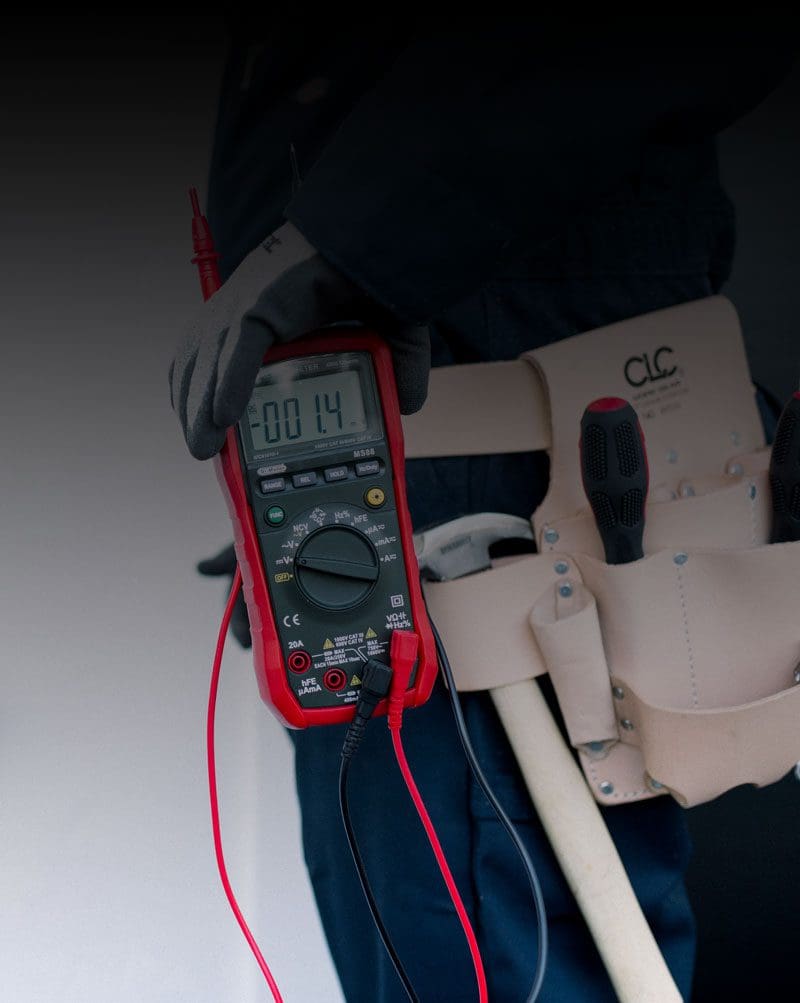
Electrical Contractors
We are NICEIC registered electrical contractors and members of the Electrical Contractors Association for all industrial, commercial and residential electrical services including testing, inspection and compliance services.
Mechanical Services
We offer M&E design, calculation, estimation and full fit-out, installation and maintenance services to commercial clients. We also provide contract maintenance and building compliance and testing services
Solar Renewables
We are MCS and RECC registered solar panel installers for all commercial and residential solar panel installations including ground arrays and roof mounted PV systems and battery storage configurations.
EV Home Chargers
We fit all makes, models and types of EV Chargers for residential customers. We are Office for Zero Emission Vehicles (OZEV) authorised installers.
EV Workplace Chargers
We can undertake all required aspects of commercial EV charging point installation, from initial design and consultation to servicing and on-going maintenance.
Gas Boiler Engineers
We are Gas Safe Registered and undertake boiler installation, servicing and all gas safety checks for landlords and residential customers.
Solar Panel Installer
Photovoltaic Systems generate no greenhouse gases, a typical domestic system can save approximately 1.2 tonnes of carbon dioxide emissions per year – adding up to almost 30 tonnes over a system’s lifetime.
Our design and solar panel installation engineers have many years experience installing solar PV systems for industrial and commercial clients.
Contact Us
Solar Panel Enquiry
Address
Keighley, West Yorkshire
BD21 4PF
UK
What3Words
What3Words:///clocks.decide.pokers
Phone
Keighley: 01535 687010 Skipton: 01756 793039